Italiano


€15,00
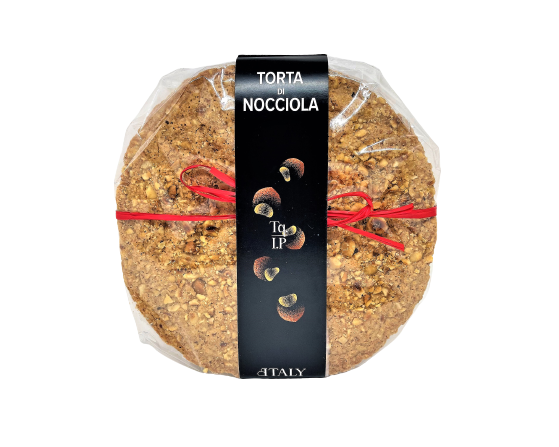
Hazelnut cake, also known as ‘Torta Cortemilia’, is a popular dessert in the Langhe and Roero regions of Piedmont.
Our hazelnut cake is made entirely from hazelnut flour from the Langhe region.
Out of stock
The earliest evidence of hazelnut cake can be found in the Piedmont region, more precisely in the Langhe area, where this special dried fruit is venerated and consecrated. In history, this cake was mainly a “poor man’s cake” because it was eaten by farmers, who at the end of the harvest, in order not to waste the excess hazelnuts, used them for the preparation of this dish. Its history, therefore, is very much rooted in the territory and traditions of this area, being a very humble product is even more appreciated.
The recipe has been handed down from generation to generation and over the years has spread to other parts of the Italian peninsula. Word of mouth has led to the development of many different versions of hazelnut cake, for example, today on the tables of Italian families we can find variations with or without flour, different shapes and textures or even with the addition of cocoa. However, there are some characteristics that have remained the same despite the changes that have been made; mainly these relate to the qualities that hazelnuts bring (a dry, crumbly texture and the special fragrance of the main product). The most successful accompaniments for this dessert according to the critics are zabaglione and cream, while the wines are muscat and raisin wine to make it more pleasant. Finally, during preparation it is essential to pay the utmost attention to the first stage, the roasting of the hazelnuts, because if you make a mistake you risk compromising the flavour.
As we have said, there are various types and shapes, but ours is a must try!
| Weight | 0,5 kg |
|---|---|
| Region of origin | Piedmont |
| producer | |
| Zona di produzione / lavorazione | |
| packaging | 300 g |
| Main ingredients | |
| appearance | round cake |
| color | golden ochre/brownish |
| smell | hazelnut and sugar |
| Taste | sweet |
| allergens | hazelnuts, butter (dairy products), eggs, yeast |
| conservation method | out of the fridge in a dry place |
| designation | Tq.I.P. |
| Recommended pairings | sweet, sparkling and dessert wines, cream or eggnog. |
| Expiration date | |
| smaltimento | Plastic packaging and paper label; packaging in the plastic collection and label in the paper collection. |
Nutritional values
NUTRITIONAL VALUES PER 100 G:
ENERGY VALUE 1924 kJ / 460 kcal
PROTEINS 8,9 g
FATS 29 g of which saturated fatty acids 7,9 g
CARBOHYDRATES 46 g of which sugars 30 g
SALT 0,22 g
The producer
Production area
Vesime is a small village, situated between the river Bormida and the fantastic hills of the Langa. As soon as you enter this municipality it is impossible not to notice the woods, vineyards and hazelnut groves that are present.
Historically, Ligurians and Romans lived in this part of the territory, it was a post station located ad vigesimun lapidem (which derives from Latin and means “the twentieth stone” located on the Acqui-Castino road), an expression from which the place name derives.
Among the various noble families that have succeeded one another in commanding this town over the years are the Savona marquis Bonifacio del Vasto, the Del Carreto family, Asinari, Scarampi and finally the Savoia family at the beginning of the 18th century. In recent history, during the Second World War, Vesime entered the history books because within its territory there was an airfield that was used by the Allies (United Kingdom, United States, China and the Soviet Union) for war purposes, and it had a code name: “Excelsior”.
Related products